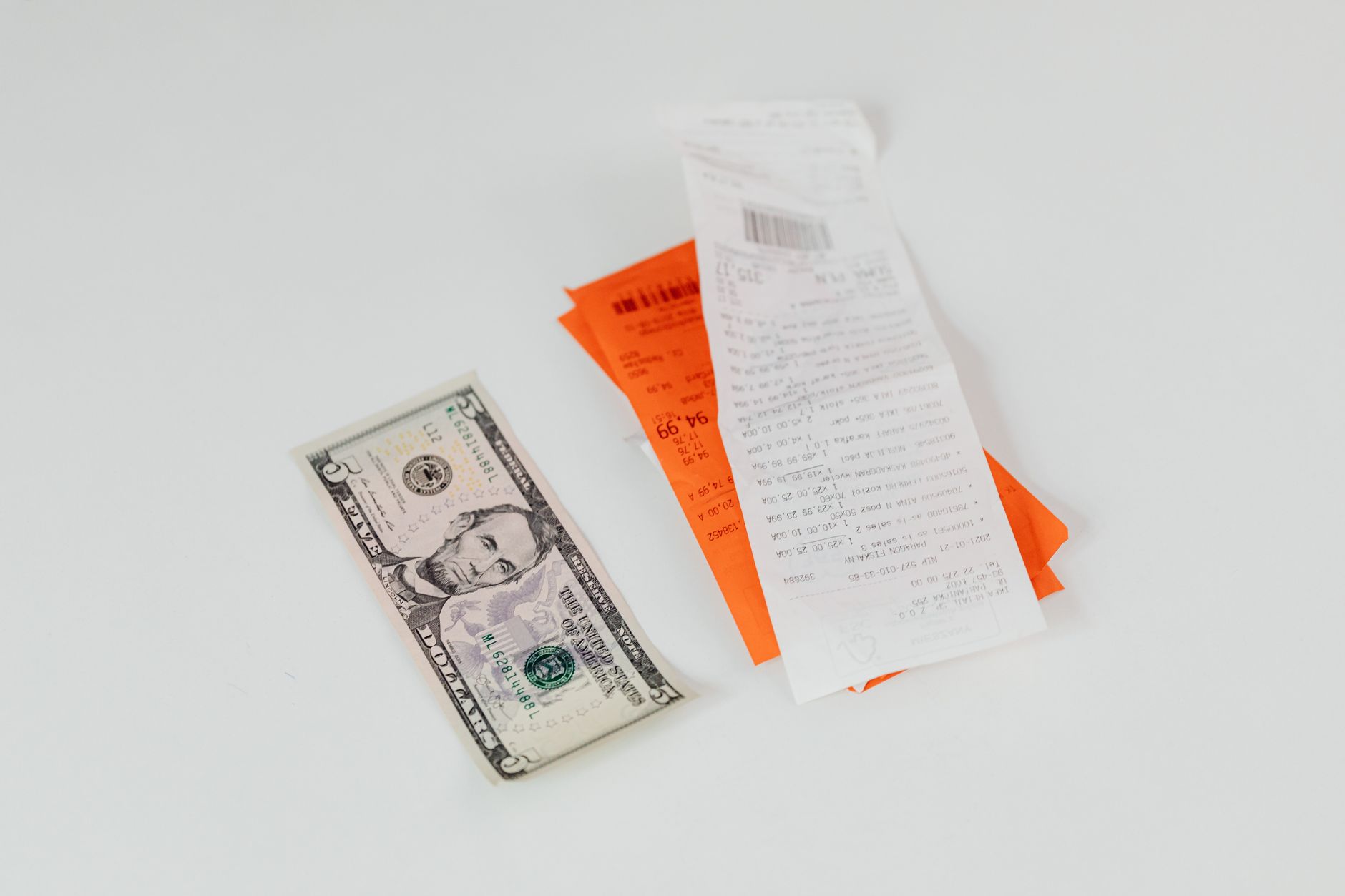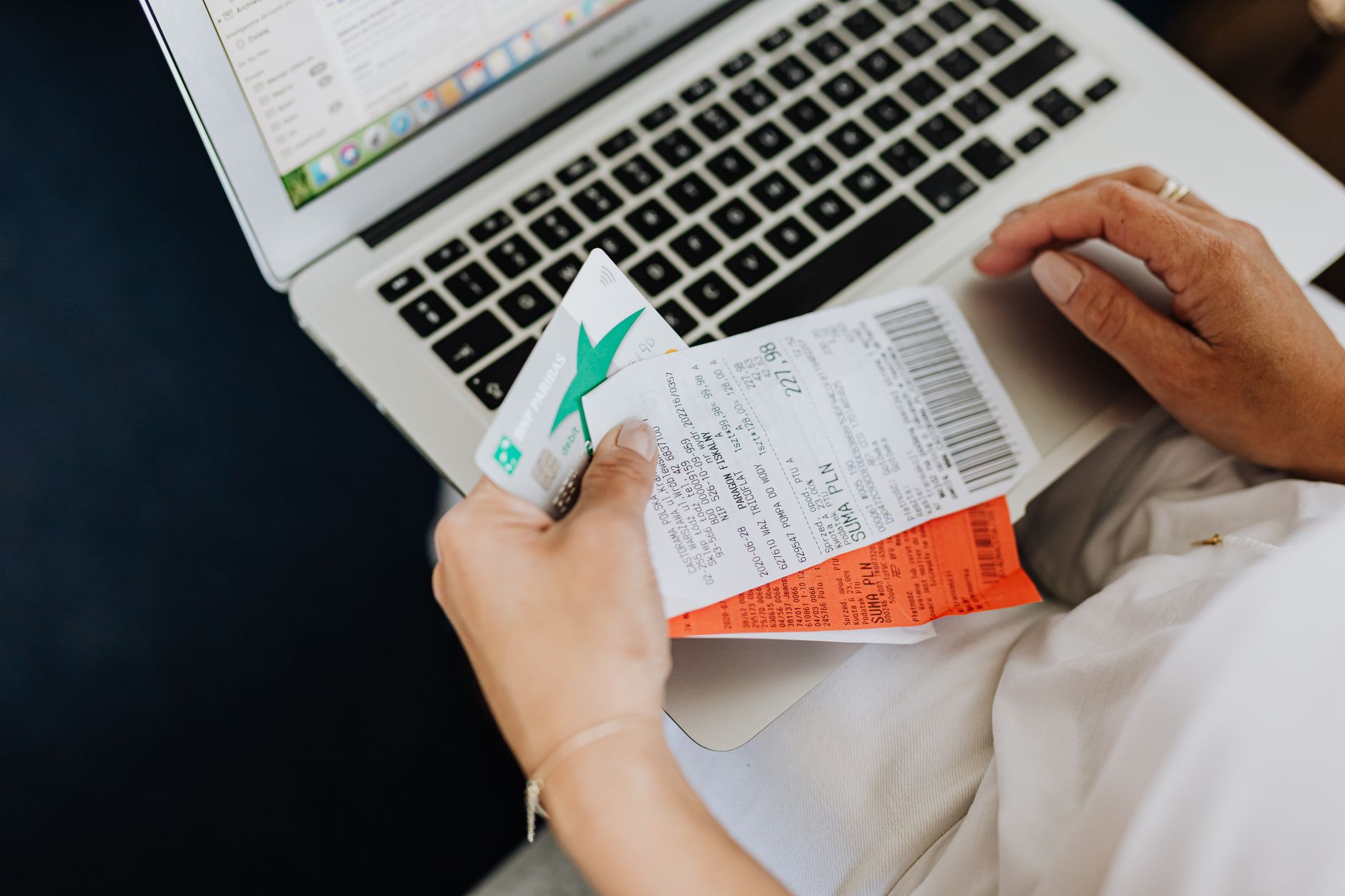
If something you bought goes on sale a few days later, you can often get the difference refunded without returning anything. It’s called a price adjustment, most large retailers have a policy for it, and almost nobody uses it. Not because it’s difficult. Because shoppers assume the sale price is only for people who waited. Here’s how to claim the gap, plus three other routes to getting money back on a purchase you’ve already paid for.
What is a price adjustment?
It’s a refund of the difference when an item you bought drops in price within a set window after your purchase. You keep the item. The store refunds the gap to your original payment method.
Retailers offer it for a straightforward commercial reason: shoppers who fear a price drop delay buying, and delay costs stores more than the occasional refund. The catch is that essentially none of them advertise it. The policy sits on a help page you’d only find if you already knew what to search for.
Windows vary a lot. Anywhere from a few days to a month is common, and some retailers have quietly narrowed or dropped theirs. Always check the retailer’s current policy page rather than relying on what was true last year.
What are the four ways to get money back after you’ve paid?
| Route | When it applies | What to do |
|---|---|---|
| Price adjustment | The same store drops the price after you bought | Contact them with your receipt inside the policy window and ask for the difference. |
| Price match | A competitor is selling it cheaper right now | Show the competitor’s current listing. Many stores match within their return window. |
| Return and rebuy | Adjustment refused but the return window is open | Buy it again at the sale price, then return the original with the old receipt. |
| Card price protection | Rare now, since most major issuers dropped it | Check your card’s benefits guide before assuming. Worth two minutes if the item was expensive. |
Route three is the underrated one. If a store won’t adjust but will happily sell you the same item at today’s lower price and accept a return on yesterday’s, the outcome is identical. It just takes one extra transaction.
How do you actually ask?
Politely, specifically, and with the evidence already in hand. Staff are far more likely to help when you’ve made it easy to say yes.
- Have the receipt and the proof of the lower price. A screenshot with the date visible does the job for online prices.
- Name the thing. “I’d like to request a price adjustment” gets you routed correctly far faster than “this is cheaper now.”
- Online purchases go through chat. It’s usually quicker than phone, and you get a written record of what was agreed.
- Ask once, kindly, then stop. If the answer is a firm no, switch to the return-and-rebuy route rather than escalating.
A workable script: “Hi, I bought this on the 3rd and I can see it’s now $12 less. Could I request a price adjustment for the difference? I have my receipt here.” That’s the whole thing.
Which purchases are worth checking?
Not all of them, or you’ll spend more time than the money justifies. The ones that reliably pay off:
- Anything bought just before a known sale event. Buying the week before a major seasonal sale is the classic case.
- Higher-ticket items. A 10% drop matters on a $300 purchase and doesn’t on a $9 one.
- Beauty bought outside a sale window. These run on predictable calendars, which we mapped in when beauty actually goes on sale.
- Online orders that haven’t shipped. Often the easiest adjustments of all, because nothing has moved yet.
For online purchases specifically, price tracking is what turns this from luck into a habit. We covered the approach in how to never pay full price on Amazon.
What if the store says no?
Then take the no gracefully and check whether the return window is still open, because return-and-rebuy achieves the same result. If that’s closed too, let it go. The time cost of pushing further outgrows the refund quickly.
Two things genuinely worth knowing for next time: exclusions are normal (clearance, doorbusters and limited-quantity deals are commonly excluded), and policies get narrower during peak shopping seasons. If you’re buying something significant in November, read the policy before you buy rather than after.
Key takeaways
- A price adjustment refunds the difference without returning the item. You just have to ask.
- Windows vary and change, so check the retailer’s current policy page each time.
- If an adjustment is refused, return-and-rebuy usually gets you the same money.
- Card price protection has largely been discontinued, so check before relying on it.
- Focus on higher-ticket items and anything bought just before a known sale.
Frequently asked questions
How long do I have to request a price adjustment?
It depends entirely on the retailer. Windows from a few days to about a month are common, and some have narrowed or removed their policy. Check the store’s current policy page, and act quickly rather than assuming you have weeks.
Can I get a price adjustment on a sale item?
Sometimes, but clearance items, doorbusters and limited-quantity promotions are commonly excluded. Regular-price items that later go on sale are the clearest case.
Do I need the physical receipt?
Usually some proof of purchase is required, but an order confirmation email, an app purchase history or a loyalty account lookup often works. Ask before assuming a lost paper receipt rules you out.
Does a price adjustment work on online orders?
Frequently yes, and it’s often easier than in store, especially before the order ships. Customer service chat is usually the fastest route and leaves you a written record.
Getting money back after the fact is the last line of defense. Getting it back automatically is better, and our free Cashback Starter Kit covers the apps and portals that pay you on purchases you’re already making. Or join Deal Diary free for fresh deals every morning.
Priya’s take: The only reason I don’t do this more often is that asking feels awkward, which is exactly what retailers are counting on. My rule: anything over $50, I check the price once a week later. Below that I let it go.